
b2b event marketing strategy
Measuring the success of any B2B event marketing strategy requires clear and relevant key performance indicators (KPIs) that align with business objectives. Events in the B2B sector are not just about generating attendance—they are designed to build relationships, enhance brand reputation, and drive measurable revenue outcomes. The right KPIs help marketers understand what is working, identify areas of improvement, and ensure that each event contributes strategically to the organization’s long-term goals.
One of the most fundamental KPIs in a B2B event marketing strategy is event registration and attendance rate. This metric reflects the initial appeal of your event and the effectiveness of your promotional campaigns. A high registration rate indicates strong interest, but it’s equally important to measure the actual attendance ratio to gauge engagement. Comparing the number of attendees to those who registered can reveal whether your event messaging and timing aligned with audience expectations. Additionally, tracking repeat attendance over multiple events can help identify loyal participants who may evolve into brand advocates or long-term clients.
Lead generation quality is another essential KPI for any b2b event marketing strategy. While collecting a high volume of leads might seem impressive, it’s the quality and conversion potential of those leads that truly matter. Evaluating leads based on criteria such as job title, company size, and buying authority helps determine whether your event attracted the right audience. Using CRM systems and lead-scoring models, marketers can monitor how many event-generated leads progress through the sales funnel, providing a clear view of return on investment.
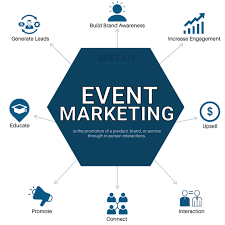
What KPIs should guide a b2b event marketing strategy?
Engagement metrics also play a crucial role in measuring success. For physical events, engagement can be tracked through session attendance, booth visits, or participation in networking activities. For virtual or hybrid events, metrics such as chat interactions, poll participation, and content downloads reveal how actively participants are engaging with your brand. A B2B event marketing strategy that emphasizes engagement ensures that attendees are not just passive observers but active contributors who leave the event with valuable takeaways.
Another important KPI is customer acquisition cost (CAC) compared to customer lifetime value (CLV). By evaluating how much was spent to acquire new customers through an event and comparing it with the projected revenue those customers will bring over time, businesses can determine the cost-effectiveness of their marketing efforts. This financial perspective ensures that every event aligns with profitability and sustainable growth goals.
Brand awareness and sentiment are equally significant yet often harder to quantify. Surveys, social media mentions, and post-event feedback forms can provide insights into how attendees perceive your brand after the event. Tracking website traffic, social engagement, and media coverage following an event helps assess the broader impact on visibility and reputation. A positive shift in brand sentiment signals that your B2B event marketing strategy is successfully positioning your company as a trusted and influential player within the industry.
Ultimately, the most effective KPIs are those that reflect both immediate performance and long-term relationship building. By combining quantitative data such as leads and conversions with qualitative feedback like attendee satisfaction and brand perception, businesses can gain a comprehensive understanding of their event’s success. A well-defined KPI framework ensures that every event is not just an isolated activity but a strategic driver of business growth and customer loyalty in an ever-competitive B2B environment.
